Restless legs can be more than a nighttime nuisance—they may be an early warning of underlying venous disease. From throbbing and itching to the irresistible urge to move your legs, these symptoms can interfere with sleep and daily life. At Miami Vein Institute, our specialists evaluate restless leg symptoms, assess vein health, and create personalized treatment plans that target the root cause. Understanding these silent signals is the first step toward relief, better circulation, and overall leg health. Schedule a consultation today to see how we can help you regain comfort and confidence in your legs.
For many people, the sensation of restless legs is familiar—an annoying tingling, crawling, or aching feeling that appears when you’re sitting or lying down. While often dismissed as a minor inconvenience, restless legs can sometimes be a subtle signal of venous disease. These symptoms are worth paying attention to because early detection and treatment of vein issues can prevent more serious complications.
Understanding the connection between restless legs and venous disease helps patients recognize symptoms, make informed decisions, and seek timely care. Our team specializes in diagnosing and treating vein disorders, ensuring patients receive personalized and effective care for lasting relief.
Understanding Restless Legs and Venous Health
Restless legs syndrome (RLS) and venous disease are sometimes mistakenly treated as separate issues, but research shows a strong connection between the two. Vein problems—especially chronic venous insufficiency—can lead to discomfort, leg swelling, and that irresistible urge to move your legs.
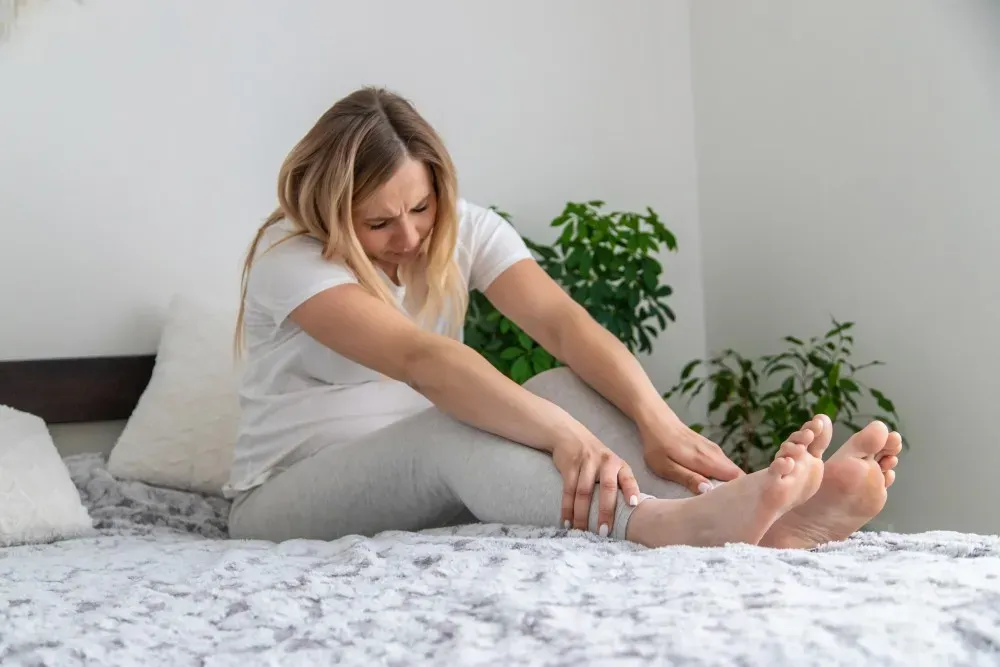
What Restless Legs Feel Like
- A creeping, crawling, or tingling sensation in the calves or thighs
- Aching or throbbing that worsens at night
- Temporary relief with movement, stretching, or walking
- Increased discomfort after long periods of sitting or standing
These sensations may not always be linked to a neurological disorder; in many cases, underlying venous insufficiency contributes significantly.
Why Venous Disease Triggers Restless Legs
Healthy veins carry blood back to the heart with the help of one-way valves. When these valves weaken or fail, blood can pool in the legs, increasing pressure and causing symptoms like swelling, heaviness, and discomfort. This venous congestion often triggers the sensations associated with restless legs.
- Increased Pressure: Blood pooling stretches vein walls, activating nerve endings.
- Inflammation: Chronic venous disease can cause low-grade inflammation that irritates surrounding tissues.
- Muscle Fatigue: Poor circulation reduces oxygen and nutrient delivery to leg muscles, contributing to nighttime discomfort.
Understanding these mechanisms highlights why treating venous disease directly can often alleviate restless leg symptoms more effectively than general RLS medications alone.
Other Signs That May Accompany Restless Legs
Restless legs linked to venous disease are rarely isolated. Patients may notice additional signals that indicate underlying vein problems:
- Leg swelling, especially after standing or sitting for long periods
- Visible varicose or spider veins
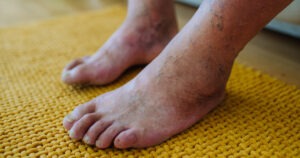
- Skin changes, such as discoloration or dryness
- A feeling of heaviness or fatigue in the legs
- Cramping or throbbing sensations
Recognizing these patterns can help patients seek evaluation earlier, allowing for more targeted and effective interventions.
How Miami Vein Institute Approaches Diagnosis
The first step in evaluating restless legs is a thorough clinical examination, often combined with advanced imaging techniques. Doppler ultrasound allows specialists to assess blood flow and identify any valve dysfunction or vein blockages contributing to symptoms.
Key Components of the Evaluation
- Medical History: Detailed discussion of symptoms, triggers, and family history
- Physical Exam: Assessing leg appearance, swelling, and vein structure
- Ultrasound Imaging: Identifying reflux, clots, or other venous abnormalities
This comprehensive approach ensures that the root cause of restless legs is addressed, rather than just managing symptoms temporarily.
Treatment Options for Restless Legs Caused by Venous Disease
Once venous insufficiency is confirmed, several treatments can relieve restless leg symptoms and improve overall leg health. Our team offers a range of minimally invasive options tailored to each patient’s needs.
- Endovenous Laser Therapy (EVLT): A laser-based treatment targeting malfunctioning veins for closure.
- Sclerotherapy: Injection of a medical solution that collapses small to medium-sized veins, often used for spider veins.
- Lifestyle Adjustments: Compression stockings, leg elevation, and exercise to promote healthy circulation.
Each treatment is designed to reduce pressure, improve blood flow, and alleviate the nighttime discomfort associated with restless legs.
Self-Care Strategies for Managing Symptoms at Home
While professional treatment is key, patients can adopt daily habits to reduce restless leg symptoms and support venous health.
- Regular Movement: Avoid long periods of sitting or standing. Short walks or leg stretches improve circulation.
- Compression Therapy: Graduated compression stockings can prevent blood pooling and relieve swelling.
- Hydration and Diet: Adequate water intake and a diet rich in fiber support vascular health.
- Sleep Hygiene: Elevating the legs before bed and maintaining a consistent sleep schedule may reduce nighttime discomfort.
These strategies complement medical treatment and empower patients to take control of their leg health.
When to Seek Immediate Medical Attention
Although restless legs are usually not dangerous, certain warning signs indicate the need for prompt evaluation:
- Sudden, severe leg pain or swelling
- Redness, warmth, or tenderness in one leg (possible blood clot)
- Persistent skin changes or ulcers
- Worsening symptoms despite home interventions
Early evaluation can prevent complications and ensure timely, effective care.
Restless Legs and Overall Wellbeing
Addressing restless legs tied to venous disease has benefits beyond symptom relief. Improved circulation can enhance mobility, energy levels, and sleep quality, leading to a better overall quality of life. Patients often report:
- Reduced nighttime awakenings
- Increased ability to exercise comfortably
- Less leg heaviness during daily activities
- Boosted confidence in leg appearance
Understanding and treating the root cause, rather than simply masking symptoms, allows patients to regain control over their health and comfort.
Your Path to Comfortable Legs with Miami Vein Institute
At Miami Vein Institute, we take restless leg symptoms seriously. Our team evaluates each patient individually, identifies underlying venous issues, and recommends customized treatments designed to restore comfort and improve leg health. Whether you’re experiencing tingling, aching, or noticeable vein changes, we’re here to provide compassionate, expert care. Schedule a consultation today to learn how our advanced vein treatments can reduce discomfort, enhance circulation, and help you enjoy life without restless nights.
FAQ
- Can restless legs be a sign of venous disease?
Yes, restless legs can indicate underlying venous insufficiency, especially when accompanied by swelling, heaviness, or visible veins. Early evaluation can help prevent further complications. - Are vein treatments painful?
Most of our vein treatments are minimally invasive and performed with local anesthesia, allowing patients to experience minimal discomfort. Recovery is generally quick, with many resuming normal activities within days. - Will treating veins cure restless legs completely?
Treating venous insufficiency often significantly reduces restless leg symptoms, though results may vary depending on severity and individual health factors. - Are there lifestyle changes that can help with restless legs?
Yes, regular movement, leg elevation, compression stockings, and a healthy diet can support circulation and reduce nighttime discomfort. - How do I know if my restless legs are serious?
Seek immediate medical attention if you notice sudden pain, swelling, redness, or ulcers. These may indicate a more urgent vascular issue.

John W. Dr. Chang, MD, serves as the Partner and Medical Director at Miami Vein Institute, a premier center specializing in vein treatment in South Florida. With a focus on providing high-quality care and ensuring patient safety and satisfaction, Dr. Chang has helped establish Miami Vein Institute as a leading destination for minimally invasive vein treatments. At Miami Vein Institute, Dr. Chang offers a comprehensive range of minimally invasive procedures, including Endovenous Laser Treatments (EVLT) and Sclerotherapy, to address various vein-related concerns. His expertise in both general and cosmetic surgery, combined with specialized training in vein treatments, allows him to tailor treatment plans to meet each patient’s individual needs. Dr. Chang’s commitment to excellence is reflected in his meticulous attention to detail and dedication to staying updated with the latest advancements in vein care technologies. He is certified in a wide array of cosmetic surgery procedures and is a certified trainer for various advanced techniques. Dr. Chang’s affiliations with prestigious medical associations underscore his commitment to upholding the highest standards of medical excellence. With a focus on patient well-being and personalized care, Dr. Chang ensures that every patient receives honest, expert guidance throughout their treatment journey. His passion for providing the best possible care is evident in his commitment to patient satisfaction and achieving optimal outcomes.