Summary:
Varicose veins can affect both women and men, but the way they appear, progress, and respond to treatment can differ significantly. Understanding these differences helps you recognize symptoms early and seek effective care. At Miami Vein Institute, patients benefit from personalized evaluations and minimally invasive vein treatments tailored to their unique needs. Learn how gender influences varicose vein development, what signs to watch for, and the best options for safe, effective relief.
From noticeable bulging veins on the legs to aching, heavy sensations, varicose veins are a common concern for both women and men. Yet, the experience of varicose veins often differs by gender. Hormonal fluctuations, lifestyle factors, and even genetics can influence vein health in unique ways. Understanding these distinctions can guide timely interventions and improve outcomes. In this article, we’ll explore how varicose veins present differently in women and men and what you can do to address them.
How Varicose Veins Develop
Varicose veins occur when the valves in the veins weaken or fail, allowing blood to pool and the veins to enlarge. While the underlying mechanics are similar for everyone, certain risk factors vary between genders:
- Women: Hormonal changes during pregnancy, menstruation, and menopause can affect vein elasticity and circulation. Birth control pills and hormone replacement therapy may also contribute.
- Men: Men are less influenced by hormonal factors but may experience vein issues due to genetics, obesity, or prolonged standing or sitting.
Other shared risk factors include age, family history, obesity, and a sedentary lifestyle. Recognizing these contributors is key to early intervention.
Signs and Symptoms: Women vs. Men
While varicose veins may look similar in both genders, the way they manifest often differs.
In Women:
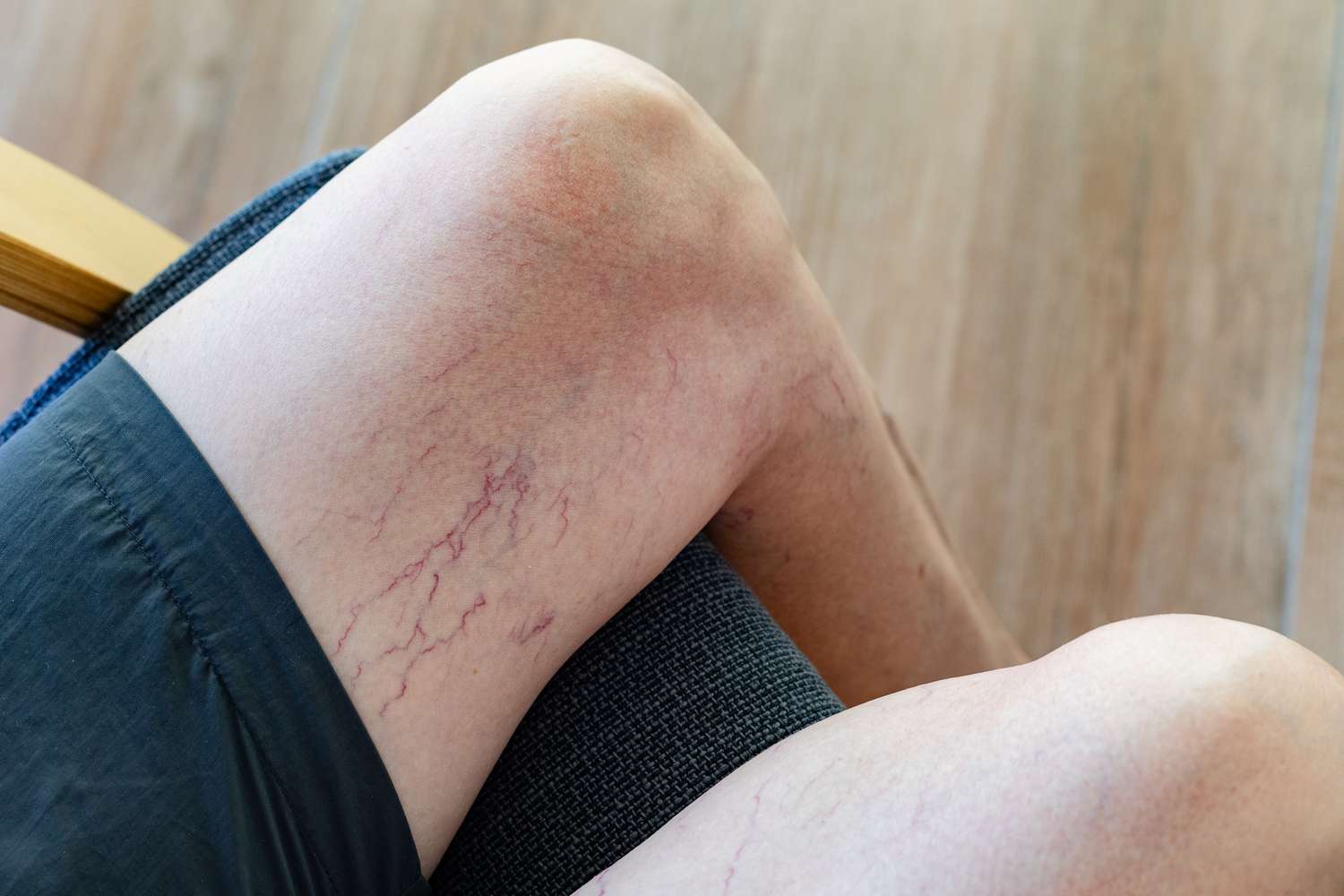
- Veins may appear as thin, threadlike spider veins or larger, bulging cords.
- Legs may feel heavy, achy, or swollen, especially after prolonged standing.
- Symptoms often worsen during pregnancy or around menstrual cycles.
In Men:
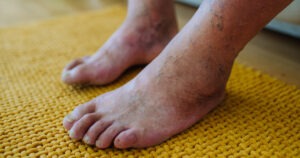
- Veins tend to be thicker, darker, and more pronounced.
- Discomfort may present as dull aches or cramping, sometimes mistaken for muscle fatigue.
- Men are more likely to delay treatment until veins become visibly severe.
Understanding these variations can help patients identify problems early and prevent complications such as skin changes, ulcers, or blood clots.
Why Gender Matters in Treatment
Although treatments for varicose veins are effective for both men and women, tailoring the approach can improve results.
Minimally Invasive Options:
- Endovenous Laser Therapy (EVLT): A safe procedure for closing affected veins, suitable for both genders.
- Sclerotherapy: Common for smaller veins and spider veins, often preferred by women for cosmetic results.
- Radiofrequency Ablation (RFA): Ideal for deeper veins causing pain and swelling.
Treatment Considerations by Gender:
- Women may benefit from scheduling treatments around pregnancy or hormone cycles for optimal healing.
- Men may need more extensive therapy if veins are larger or symptoms were ignored for years.
Our team emphasizes a personalized evaluation to determine the best combination of treatments based on a patient’s vein anatomy, symptom severity, and lifestyle.
Lifestyle Factors That Influence Varicose Veins
Managing vein health isn’t only about procedures. Certain habits can either worsen or improve vein appearance and comfort.
Helpful Practices:
- Regular physical activity, especially walking or swimming, to encourage blood flow.
- Avoiding long periods of standing or sitting without movement.
- Maintaining a healthy weight to reduce pressure on the veins.
- Wearing compression stockings when recommended to improve circulation.
Gender-Specific Tips:
- Women: Monitor leg changes during pregnancy, and discuss safe preventive measures with a vein specialist.
- Men: Pay attention to early signs like leg heaviness or visible veins to avoid late-stage complications.
Common Myths About Varicose Veins
Varicose veins are often misunderstood, which can delay treatment.
- Myth 1: Only women get varicose veins. Men are equally susceptible, though symptoms may appear differently.
- Myth 2: Varicose veins are purely cosmetic. Untreated veins can lead to pain, swelling, and skin complications.
- Myth 3: Surgery is the only solution. Modern, minimally invasive procedures are highly effective and require minimal downtime.
- Myth 4: Exercise worsens varicose veins. Proper movement actually improves circulation and vein health.
- Myth 5: Compression stockings cure varicose veins. They manage symptoms and prevent progression, but do not eliminate the veins.
Recognizing When to Seek Professional Care
It’s important to consult a specialist when symptoms worsen or interfere with daily life. Warning signs include:
- Significant swelling or heaviness in the legs.
- Pain or throbbing that limits activity.
- Skin changes like discoloration or ulcers near the ankles.
- Veins that are suddenly enlarged, red, or tender.
Early evaluation can prevent complications and allow for more straightforward, effective treatments.
Understanding Varicose Vein Recurrence
Even after treatment, varicose veins can return. Factors that increase the likelihood of recurrence include:
- Genetics and family history of vein disease.
- Age-related vein changes.
- Hormonal influences, particularly in women.
- Lack of post-treatment maintenance, such as compression therapy or lifestyle adjustments.
By combining procedural care with lifestyle management, patients can maintain healthy, smooth legs long-term. Our team provides ongoing guidance to help minimize recurrence and support lasting vein health.
Healthy Vein Practices for Daily Life
Simple daily habits can make a significant difference for patients:
- Elevate legs when resting to reduce pressure in veins.
- Avoid crossing legs for prolonged periods.
- Wear supportive footwear to promote circulation.
- Stay hydrated and eat a fiber-rich diet to prevent vein strain.
Even small adjustments can complement medical treatments, ensuring better comfort and appearance.
Your Personalized Vein Care with Miami Vein Institute
At Miami Vein Institute, we understand that varicose veins affect everyone differently. Women and men experience unique symptoms, but both benefit from individualized care plans. From non-invasive procedures to lifestyle guidance, our team is dedicated to restoring vein health and confidence. Schedule a consultation today to explore the most effective options for your legs and take the first step toward relief.
Frequently Asked Questions
- Are varicose veins more common in women than men?
Yes, hormonal factors like pregnancy and menopause make women more prone, but men are also at risk, particularly due to genetics and lifestyle. - Can varicose veins cause serious health problems?
If left untreated, varicose veins can lead to swelling, skin changes, and ulcers. Rarely, they can contribute to blood clots, so evaluation is important. - Do treatments differ for men and women?
The procedures are largely the same, but timing, vein size, and cosmetic concerns may influence a personalized approach for each gender. - Will exercise make my varicose veins worse?
No. Regular movement actually improves circulation and helps prevent further vein enlargement, reducing discomfort. - Can varicose veins come back after treatment?
Yes, recurrence is possible due to genetics or lifestyle factors, but ongoing care and follow-up treatments can minimize this risk.