Summary:
Chronic venous insufficiency (CVI) can silently impact your circulation and leg health, causing discomfort, swelling, and visible veins. Early recognition and proper care are essential to prevent complications and improve quality of life. At Miami Vein Institute, patients receive individualized evaluations and advanced treatment options to restore healthy circulation and comfort. Discover how CVI develops, common warning signs, and safe, effective ways to protect your veins and overall vascular health.
Do your legs often feel heavy, swollen, or fatigued after a long day? You may be experiencing symptoms of chronic venous insufficiency, commonly known as CVI. This condition occurs when your veins struggle to send blood efficiently back to the heart, leading to pooling and increased pressure in the legs. CVI is more than a cosmetic concern—it can affect mobility, comfort, and overall health. Understanding CVI, its causes, and its treatment options can make all the difference in preserving your leg health. Here, we take a closer look at CVI and how our team helps patients regain healthy circulation.
What Is Chronic Venous Insufficiency?
CVI occurs when the vein valves that control blood flow become weakened or damaged. Normally, these valves act like one-way gates, keeping blood moving upward toward the heart. When they fail, blood can flow backward, causing pressure, swelling, and vein enlargement.
Key contributing factors include:
- Age-related vein weakening
- Genetics and family history of vein disease
- Prolonged standing or sitting
- Obesity and a sedentary lifestyle
- Previous leg injuries or surgeries
Even mild CVI can lead to discomfort and visible veins, but if left unmanaged, it may cause skin discoloration, thickening, or ulcers. Recognizing early signs and risk factors is the first step toward effective management.
Recognizing the Signs of CVI
Symptoms of chronic venous insufficiency can be subtle at first but often worsen over time. Paying attention to early warning signs can prevent more serious complications:
- Persistent leg swelling, especially around the ankles
- Heaviness, fatigue, or aching in the legs
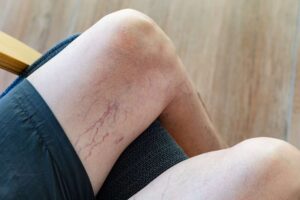
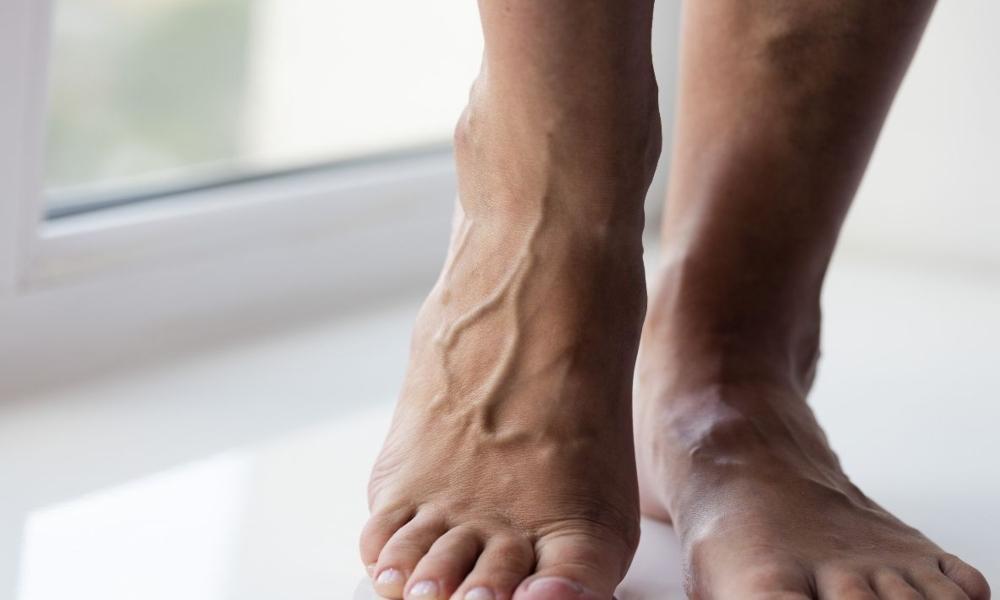
- Visible varicose or spider veins
- Skin changes, including discoloration or thickening
- Leg cramps or restless legs at night
Women and men may experience these symptoms differently, but all benefit from early intervention. Thorough evaluations help identify CVI before it progresses, allowing for more effective treatment.
Why CVI Develops: Causes and Contributors
CVI doesn’t appear overnight. It usually develops over years due to multiple factors affecting circulation. Common causes include:
- Valve Dysfunction: Weak or damaged valves fail to maintain proper blood flow.
- Venous Hypertension: Increased pressure in the leg veins from prolonged standing, obesity, or pregnancy can strain the veins.
- Prior Blood Clots: Deep vein thrombosis can damage valves and increase the risk of CVI later.
- Genetics: A family history of vein disease significantly increases susceptibility.
- Lifestyle Factors: Sedentary habits, lack of exercise, and poor diet can worsen circulation and promote vein disease.
Understanding the underlying causes helps determine the most effective treatment approach, whether procedural, lifestyle-based, or a combination of both.
Treatment Options for CVI
Fortunately, modern medicine offers effective solutions for managing CVI. Treatment is highly personalized, often combining minimally invasive procedures with lifestyle strategies for lasting results.
Minimally Invasive Procedures:
- Endovenous Laser Therapy (EVLT): Uses laser energy to safely close affected veins.
- Radiofrequency Ablation (RFA): Treats deeper veins causing swelling or discomfort.
- Sclerotherapy: Ideal for smaller veins or spider veins, improving both appearance and circulation.
- Ambulatory Phlebectomy: Removes larger surface veins through tiny incisions with minimal downtime.
Lifestyle and Supportive Care:
- Wearing compression stockings to improve blood flow
- Elevating legs to reduce swelling
- Regular walking or low-impact exercise to encourage circulation
- Maintaining a healthy weight and avoiding prolonged sitting or standing
Each of our patients receives a customized plan that balances advanced procedural care with practical daily habits to optimize vein health. This combination reduces symptoms, prevents progression, and supports long-term comfort.
Preventing CVI From Progressing
Even after treatment, lifestyle choices significantly impact the longevity of results and overall vascular health. Key preventive strategies include:
- Staying active and avoiding extended periods of immobility
- Using compression garments as recommended
- Monitoring leg changes and seeking care early if symptoms return
- Maintaining a balanced diet and a healthy weight to reduce venous pressure
Simple daily habits, when combined with professional care, can dramatically improve circulation and prevent future complications. We emphasize ongoing education and follow-up to help patients maintain healthy veins long-term.
Common Myths About CVI
Chronic venous insufficiency is often misunderstood, which can delay proper care.
- Myth 1: CVI is purely cosmetic. Untreated CVI can lead to swelling, skin changes, and ulcers.
- Myth 2: Only older adults get CVI. Younger individuals with genetics, lifestyle factors, or previous injuries are also at risk.
- Myth 3: Surgery is the only solution. Many minimally invasive treatments are effective and require minimal recovery.
- Myth 4: Compression stockings cure CVI. They manage symptoms and prevent progression, but do not eliminate faulty veins.
- Myth 5: Exercise worsens CVI. Proper movement improves circulation and supports vein health.
Clearing up these misconceptions helps patients seek timely care and make informed decisions about their vein health.
Long-Term Management and Follow-Up
Even after successful treatment, ongoing care ensures optimal results:
- Regular checkups to monitor vein health
- Adjusting compression therapy as needed
- Continuing active lifestyle habits
- Early intervention if new veins appear
Our team provides comprehensive follow-up to guide patients in maintaining healthy circulation, preventing recurrence, and enjoying long-term relief from CVI symptoms.
Expert Vein Care at Miami Vein Institute
Chronic venous insufficiency doesn’t have to disrupt your daily life or comfort. Miami Vein Institute specializes in advanced, minimally invasive treatments tailored to each patient’s vein structure and symptoms. By combining expert procedures with personalized guidance, we help patients restore healthy circulation, reduce discomfort, and achieve smoother, more comfortable legs. Schedule a consultation today to explore your options and take control of your vein health.
Frequently Asked Questions
- What is chronic venous insufficiency (CVI)?
CVI occurs when vein valves weaken, allowing blood to pool in the legs. This can cause swelling, discomfort, and visible varicose veins. - Can CVI lead to serious health problems?
If untreated, CVI may result in skin changes, ulcers, or infections. Early evaluation helps prevent these complications. - Are minimally invasive treatments effective for CVI?
Yes. Procedures like EVLT, RFA, and sclerotherapy are safe, effective, and typically involve minimal downtime. - How can I prevent CVI from worsening?
Staying active, wearing compression stockings, elevating your legs, and maintaining a healthy weight are key strategies to manage CVI. - Is CVI hereditary?
Genetics plays a significant role in vein health. Individuals with a family history of vein disease may have a higher risk of developing CVI.